How to Read a Certificate of Analysis (COA)
COAs are the most important document in the hemp industry. Here's how to read one in under 5 minutes — and what red flags to watch out for.
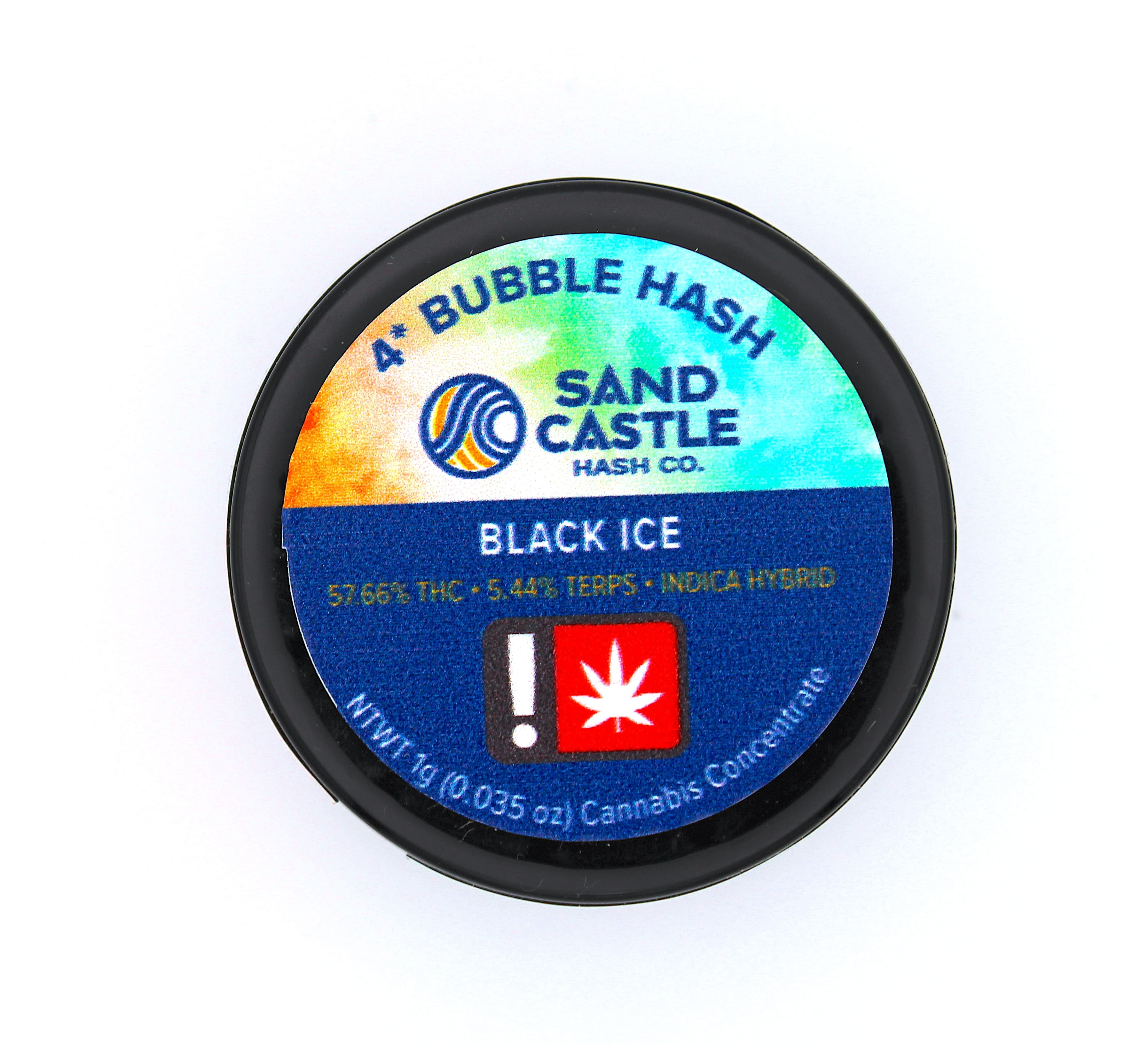
A Certificate of Analysis is a third-party lab report that tells you exactly what's in your hemp product. It's the single most important document in the industry and the clearest signal of whether a brand takes quality seriously. If a company can't produce a COA, that alone is a reason to walk away.
What a COA Covers
A good COA will include a cannabinoid potency panel, and many will also include contaminant testing for pesticides, heavy metals, residual solvents, and microbials. Not all COAs test for all of these — but the more comprehensive, the better.
- Cannabinoid panel — THCA, Delta-9 THC, CBD, CBG, CBN, and others
- Pesticide screen — residues from agricultural chemicals
- Heavy metals — lead, arsenic, mercury, cadmium
- Residual solvents — leftover extraction chemicals in concentrates
- Microbials — mold, yeast, bacteria counts
The Numbers That Matter Most
Start with the cannabinoid panel. Find THCA — this tells you the raw potency of the flower before any heat is applied. Then look for Delta-9 THC. On federally compliant hemp, this number must be at or below 0.3% by dry weight. If a product shows high THCA but Delta-9 THC is clearly listed and compliant, you're in good shape.
Next, check the date. COAs have a testing date, and you want it to be recent — within the last 6 months ideally, 12 months at the absolute maximum. An old COA doesn't tell you anything reliable about the batch you're buying today.
How to Match a COA to Your Product
Reputable brands will include a batch or lot number on both the product packaging and the COA. Match those numbers. If a brand shows you a COA with no batch reference, you have no way to verify that it applies to what you're actually buying.
Red Flags to Watch For
- No COA available — major red flag, non-negotiable
- COA is older than 12 months
- No batch or lot number on the COA
- Lab is not third-party (in-house testing doesn't count)
- Delta-9 THC listed above 0.3%
- Missing contaminant panels on concentrates or edibles
What Makes a Lab Credible?
Look for ISO/IEC 17025 accreditation. This is the international standard for testing labs, and accredited labs are held to much higher accuracy and reliability standards. You can usually find the lab's accreditation status on their website or on the COA itself.
At Leaflyx, every product in our catalog is accompanied by a current third-party COA. You can view them on each product page or browse them all in our COA section. We believe transparency isn't a bonus feature — it's the baseline.
This content is for educational purposes only and does not constitute legal or medical advice. Always consult relevant professionals and check your local regulations before purchasing or consuming hemp products.